Signal Brief
How to Spot Cybersecurity Vendors Ready for a Smarter Outbound Engine
Generic cold outreach doesn’t cut it in cybersecurity. With 360 unique outbound plays and nearly 1,000 meetings tracked across 529 companies in our Go-to-Market graph, we know what works. In this article, we break down the signal categories that predict buying intent in cybersecu
How to Spot Cybersecurity Vendors Ready for a Smarter Outbound Engine
In a landscape flooded with alert fatigue and vendor noise, cybersecurity buyers have become hyper-selective. Yet most outbound teams still spray their list with generic messaging and pray for replies. Our Go-to-Market graph tracks 360 distinct plays across 967 meetings with 529 companies—and the data makes it clear: cybersecurity demands a signal-based outbound engine, not a broadcast one.
This article cuts through the hype. We’ll walk through the key signal categories proven to trigger conversations, show you how to refine your ICP against 822 real-world pattern matches, and give you concrete frameworks to build or audit your GTM infrastructure. If you’re leading sales, GTM, or revenue operations in cybersecurity, this is your blueprint to swap scattergun tactics for precision strikes.
Introduction: Why Cybersecurity Demands Smarter Outbound
Cybersecurity is not a horizontal problem—it’s a lattice of verticals, point solutions, and compliance regimes. Buyers juggle risk assessments, internal audits, board reports, and regulatory deadlines. They ignore boilerplate outreach. To engage them, you need signals that align with their calendar of risk and reward.
Our internal graph covers 17 industries, 80 subindustries (including 30 in cybersecurity), and surfaces 967 meeting records. In those conversations, signals like custom play tracking, recent funding events, and compliance certification alerts consistently drive replies. If you’re still dialing random lists, you’re missing your moment.
The Pitfalls of One-Size-Fits-All Outbound
Traditional outbound relies on stale titles, basic firmographics, and hope. Here’s the first-principles problem:
• Buyers see dozens of generic Reach messages weekly. • Without context, your pitch is noise. • SDRs waste time chasing unqualified leads. • AEs scramble to rebound from weak appointments.
Outcome: low conversion, long sales cycles, poor rep morale.
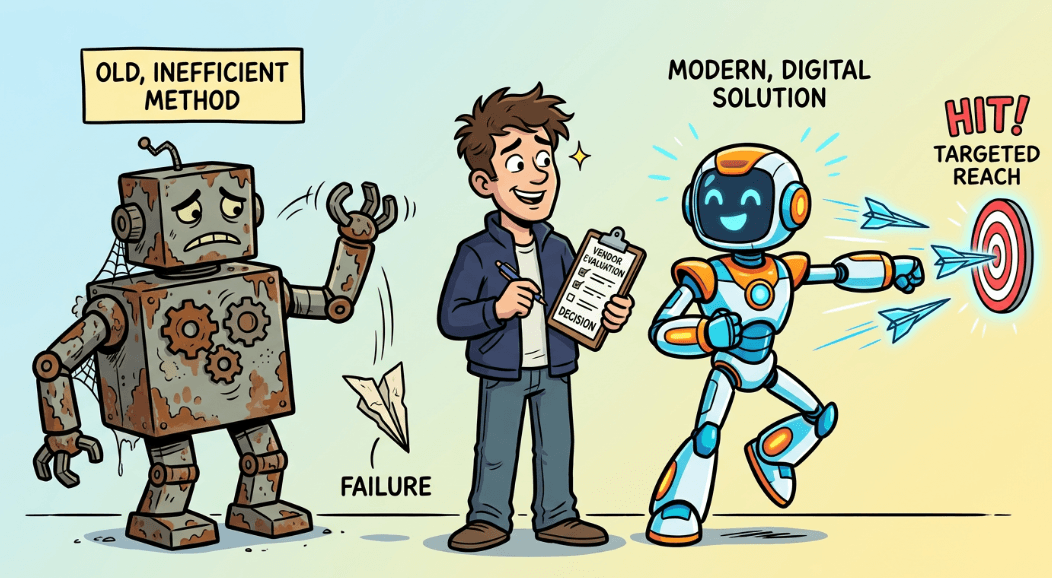
You need to flip from “find any possible buyer” to “find the right buyer at the right moment.” That means signal-based outbound.
Defining a Signal-Based Outbound Engine
At its core, signal-based outbound is simple: pick a set of real-time, actionable triggers and automate routing, messaging, and qualification around them.
Key components:
- Signal Ingestion: Integrate feeds—finance events, tech installs, compliance updates. 2. Qualification Logic: Map signals to ICP rules (822 pattern matches in our graph). 3. Outreach Templates: Pre-built sequences keyed to each signal (801 outreach patterns documented). 4. Feedback Loop: Track responses, booked meetings (967 data points), and iterate.
Why it matters: You move from shotgun to sniper rifle—higher reply rates, faster cycles, clearer pipeline health.
Key Signal Categories to Watch
Our graph shows that across industries, certain plays reign supreme. While these aren’t all cyber-specific, they map directly onto buyer motives in security. Below are eight signal categories that drive the most meetings with cybersecurity vendors.
• Funding & M&A Events
- Data point: 220 meetings triggered by recent funding events (usage_count: 39,600). - Why it works: Post-Series A/B/C rounds ignite budget freedom and pressure to scale. Cyber leaders need new tools—often Yesterday.
• Competitor Engagement Tracking
- Data point: 165 meetings (usage_count: 24,420). - Why it works: When a peer rolls out a new security platform, FOMO and board scrutiny kick in. Buyers call to benchmark.
• Market Expansion & Hiring Signals
- Data point: 161 meetings (usage_count: 21,574). - Why it works: Opening new offices, vertical pushes, or growth hiring in security teams signals budget and project roadmaps.
• Tech Tool Adoption & Integrations
- Data point: 126 meetings (usage_count: 13,356). - Why it works: Installing adjacent tools—SIEM, EDR, cloud firewalls—creates integration or replacement opportunities for your solution.
• Product Launch & Feature Announcements
- Data point: 121 meetings (usage_count: 12,463). - Why it works: When vendors announce new modules or features, they often lack the ecosystem partnership to maximize adoption. You can fill gaps.
• Compliance & Certification Alerts
- Data point: 70 meetings (usage_count: 3,570). - Why it works: SOC 2, ISO 27001, GDPR audits drive urgent tooling needs. Buyers hunt solutions that expedite attestations.
• Event Booth Announcements & Conference Participation
- Data point: 131 meetings (usage_count: 15,196). - Why it works: Announcing a presence at RSA, Black Hat, or local security summits telegraphs product maturity and marketing budget—prime for partnerships.
• Department Growth & Hiring Triggers
- Data point: 51 meetings (usage_count: 2,397). - Why it works: A scaling security team equals new leadership hires incentivized to stake their success on modern tools.
ICP Implications: Sharpening Your Cybersecurity Buyer Profile
Across 967 recorded meetings, we identified 822 ICP pattern matches—data points where buyer titles, team structures, and company signals aligned. In cybersecurity:
- Core Titles: CISOs (38%), Security Operations Leaders (24%), GRC Managers (18%). 2. Company Size: 200–2,000 employees. Under 200, budgets are tight. Over 2,000, internal inertia kills quick buys. 3. Technology Stack: SIEM, XDR, IAM platforms in place or pilot. 4. Funding Stage: Series B–C preferred (can allocate $200k+ in ARR initiatives).
Heuristic: If a company checks three of these four boxes and triggers one of our top eight signals in the last 30 days, they belong in your signal-based queue.
Outreach Angles Aligned to Signal Type
You’ve ingested signals, filtered to ICP—now the copy matters. Our graph holds 801 outreach patterns tied to real meetings. Here’s how to tailor:
Signal Type → Outreach Hook
• Funding Event → “Congrats on your latest round—here’s how we help Series B security teams cut risk assessment time by 40%.” • Competitor Move → “Saw that [Competitor X] launched a new module—here’s how you can leap ahead in threat detection without ripping out your stack.” • Compliance Alert → “ISO 27001 audit next quarter? We’ve accelerated 12 cybersecurity roadmaps this year—here’s our two-page checklist.”
Best practice: Keep email under 100 words, mention the signal in subject line, include one concise value prop bullet, and end with a single clear CTA.
Building Your GTM Infrastructure: Frameworks & Heuristics
A smarter outbound engine needs more than a list. You need an operating system for signals. We recommend the CYCLE Framework:
C — Capture: Automate ingestion from your intelligence feeds. Y — Yield: Score signals by ICP fit and potential deal size. C — Contextualize: Attach playbooks, past success stories (595 success patterns in our graph). L — Launch: Trigger SDR sequences or AE alerts. E — Evaluate: Measure conversion, meetings booked, pipeline generated.
Under the hood, you need:
• A data warehouse (Snowflake, BigQuery) to store event logs. • An orchestration layer (Airflow, SaaS vendor) to run scoring and routing. • A CRM integration to kick off outreach. • Reporting dashboards (Looker, Tableau) tied to signal KPIs.
Measuring Success and Iteration Loops
Your signal engine lives or dies by iteration. Track these metrics:
• Signal-to-Meeting Rate: Meetings booked ÷ signals triggered (benchmarks: 2–5%). • Meeting-to-Pipeline Rate: Qualified pipeline won ÷ meetings (benchmarks: 15–25%). • Signal Overlap: How many buyers trigger multiple signals within 90 days (use to prioritize). • Channel Conversion: Email vs. LinkedIn InMail vs. Calls per signal.
Run weekly reviews: drop under-performing signals, double down on winners, refine outreach patterns.
Commercial Takeaways and Next Steps
• Audit: List your current signal sources. How many match the top eight categories? • Build: Adopt the CYCLE framework to operationalize signals. • Measure: Set aggressive benchmarks against graph data—2–5% signal-to-meeting, 15–25% meeting-to-pipeline. • Iterate: Create a biweekly cadences review to prune or expand your playbook.
Cybersecurity buyers are signal-hungry. When you align your engine to real events—funding, compliance, competitor moves—you go from pitch-fork to scalpel.
Soft Bridge to Recepto
If you’re staring at disparate alerts and wondering how to piece them into a working outbound system, consider how Recepto’s signal orchestration layer plugs into your CRM and engagement tools. No hype—just an API-driven bus that wires in the top signal feeds, scoring logic, and outreach templates we’ve discussed. Reach out when you’re ready to move beyond guesswork.